Making the Most of Your Yard's Potential: Why Tree Removal and Trimming Are Crucial for Property Health
Effective tree management is crucial for optimizing yard space and maintaining property security. Aging or overgrown trees can create significant hazards and reduce curb appeal. Routine pruning supports vigorous growth and minimizes risks, while clearing problematic trees creates new landscaping opportunities. Understanding the signs that trees need care is essential. What are the primary warning signs homeowners need to recognize, and how can they take thoughtful action regarding tree care?
Recognizing the Dangers of Overgrown Trees
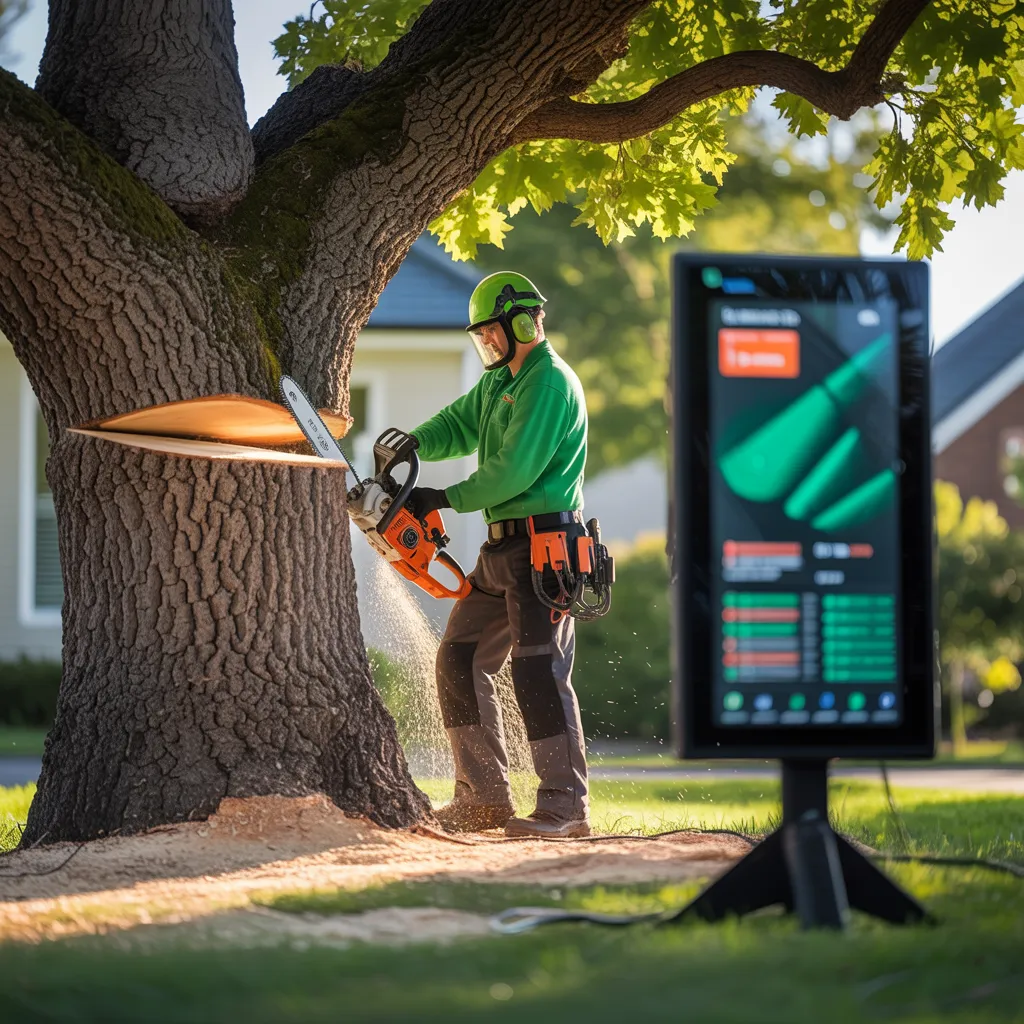
Trees that have grown unchecked pose serious risks to both property and safety, as their unchecked growth can lead to structural damage and increased vulnerability during storms. Branches may encroach on roofs, gutters, and power lines, resulting in costly repairs and potential hazards. When storms strike, these branches are prone to breaking, posing a serious risk to individuals and structures below.
Furthermore, excessive growth can block sightlines, creating dangerous situations for drivers and pedestrians alike. Tree roots can also spread into foundations, walkways, and driveways, causing uneven surfaces and structural integrity issues. Moreover, poorly maintained trees can invite pests and illness, that may migrate to neighboring plants and jeopardize landscaping results.
Failing to maintain trees properly can intensify these dangers, resulting in more significant damage as time passes. As a result, understanding the dangers associated with overgrown trees is critical for homeowners seeking to maintain safety and safeguard their assets.
The Benefits of Regular Tree Trimming
Regular tree trimming serves a vital role in maintaining the health and safety of trees, actively minimizing the dangers linked to overgrowth. By removing dead or diseased branches, trimming improves the overall strength of the tree, encouraging new growth and better air circulation. This procedure not only assists in curbing the spread of pests and diseases but also minimizes the chance of branches falling, which can create significant risks for people and property.
Additionally, routine trimming enhances the visual appeal of the landscape, permitting trees to retain an attractive appearance. This can raise the overall property value, rendering yards more welcoming and pleasant. Furthermore, properly trimmed trees can permit greater sunlight to reach the ground, promoting healthy grass and plants beneath them. Ultimately, integrating routine tree trimming into yard upkeep can result in healthier trees, a protected outdoor environment, and a more visually appealing outdoor space.
How to Recognize Warning Signs That Your Trees Need Attention
Tree species can exhibit several signs that signal they are in need of professional care, such as dead or dying branches that may threaten their structural integrity. Moreover, the appearance of fungal formations can indicate hidden concerns that need urgent care. Understanding these warning signs is review essential for ensuring tree health and safety.
Deceased Or Declining Branches
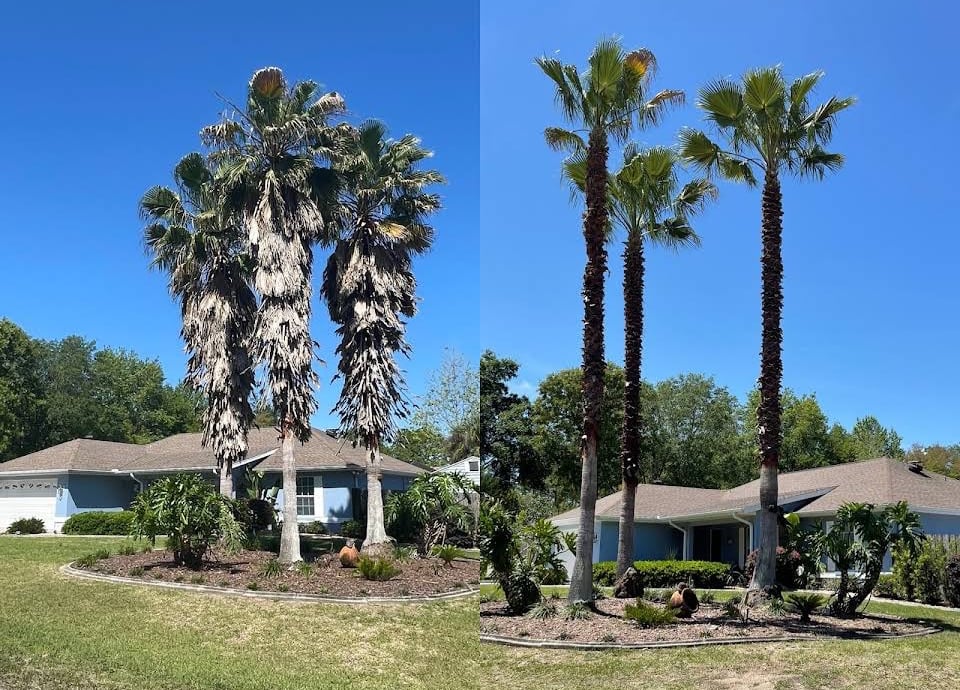
Numerous homeowners tend to overlook the understated signs that reveal a tree is under stress, particularly when it comes to failing or deteriorating branches. These branches often have no foliage and seem brittle or discolored. A closer inspection may expose peeling bark or cracks, signaling that the branch is compromised. Additionally, an abundance of dropped branches around the base of the tree can suggest that others are also weakening. Trees with failing or lifeless branches may also show signs of decay, such as a hollow sound when knocked upon. Identifying these signs is critical, as they can affect the overall vitality of the tree and nearby landscape. Prompt action can prevent further damage and encourage a healthy yard.
Mold and Fungus Warning Signs
Evidence of fungal activity frequently coincide with the presence of deteriorating or lifeless branches, indicating that a tree may require urgent care. Darkened, discolored areas on the bark or the appearance of mushrooms at the base could point to serious underlying concerns. Furthermore, a white, powdery substance may suggest powdery mildew, while black or brown spots could indicate other fungal infections. Trees displaying drooping foliage or early leaf shedding may also be vulnerable. Keeping a close eye on these symptoms is vital, as unaddressed fungal issues can compromise the tree's integrity and vitality. Routine evaluations and prompt action can minimize additional harm, safeguarding the lasting health of the property's trees and plants. Residents should remain vigilant about these symptoms to maintain a healthy yard.
How to Know When Tree Removal Is Required
When assessing whether tree removal is necessary, one must take several key factors into account. Initially, assessing the tree's overall health is crucial; indicators of deterioration, such as dead limbs or significant fungal growth, suggest that removal might be required. Additionally, the tree's structural integrity should be examined; a tree that leans or has a weakened trunk creates hazards for adjacent property and the safety of those nearby.
How close a tree is to nearby structures is another critical aspect to evaluate; trees that are too close to homes, power lines, or walkways can cause damage or hazards during storms. Moreover, if a tree is significantly blocking sunlight from reaching surrounding plants or landscaping, removal may be warranted. Finally, evaluating the tree's overall contribution to the landscape is important; should it diminish the yard's visual or practical value, removal may improve the property's overall appeal. Every one of these elements contributes meaningfully to the decision of whether tree removal is necessary.
How to Locate the Top Tree Care Experts
Finding the best tree care professionals requires careful consideration, as choosing skilled professionals can significantly affect tree health and safety. Potential customers are advised to start by looking into local firms, prioritizing those with positive reviews and testimonials. Confirming valid certifications and insurance policies is necessary, as it guarantees that the professionals adhere to industry standards and are protected in case of accidents.
Additionally, securing various bids can provide insight into the prevailing rates and make it easier to identify competitive rates. Direct consultations are beneficial, giving clients the opportunity to evaluate the expertise and professionalism of the certified arborists. Asking specific questions about their background handling comparable tree concerns can help establish their proficiency.
Finally, reputable arborists regularly deliver thorough written assessments and clear explanations of the tasks covered. This straightforward approach not only promotes reliability but also guarantees that customers have complete knowledge before making decisions regarding their tree maintenance needs.
Cost of Tree Removal and Trimming
The expense of tree removal and trimming is affected by a number of factors, including tree size, location, and complexity of the job. Being aware of these aspects can help property owners make informed financial decisions. Moreover, investing in expert tree care can lead to long-term savings by reducing potential risks and maintenance problems.
Elements That Affect Costs
Several variables affect the financial aspects of tree removal and trimming, making it essential for property owners to be aware of these elements. The size and height of the tree are major considerations; trees of considerable size typically require additional equipment and manpower. The placement of the tree is also an important factor; trees positioned near power lines or structures create safety concerns, demanding advanced procedures. Moreover, the variety of tree impacts pricing, as some species are more challenging to manage. Access to the tree is also a key consideration; difficult-to-reach trees tend to carry additional fees due to the requirement of extra machinery. To conclude, municipal regulations and required permits could influence the final price, stressing the significance of diligent preparation before contracting a professional. Having insight into these elements can aid in budgeting effectively for tree maintenance.
Long-Term Cost Savings Benefits
Spending money on tree care and maintenance can yield significant financial benefits for property owners. Properly maintained trees reduce the risk of property damage resulting from falling branches or uprooted trees during storms. This forward-thinking strategy minimizes costly repairs and insurance-related concerns. Furthermore, well-maintained trees boost your home's overall value by enhancing curb appeal, appealing to future homebuyers, and cultivating a more attractive and enjoyable outdoor area.
Regular trimming promotes healthier growth, minimizing the risk of expensive pest infestations and diseases that could demand significant financial remedies. Furthermore, strategically positioned trees can reduce energy costs by offering shade during warmer months. Therefore, the initial costs associated with tree removal and trimming can be offset by long-term financial benefits, making it a sound financial decision for property owners.
Preserving Tree Health for Lasting Yard Beauty
Keeping trees healthy is vital for securing long-lasting landscape appeal. Healthy trees not only enhance the aesthetic value of a property but also contribute to ecological balance and biodiversity. Periodic assessments can uncover early evidence of disease, pest activity, or structural deficiencies. Applying suitable cultural methods, such as adequate watering, mulching, and fertilization, encourages strong growth and long life.
Pruning serves a vital function in the maintenance of trees, benefiting both the safety and look of trees. Removing dead or overgrown branches boosts air circulation and the penetration of sunlight, encouraging a stronger and healthier canopy. Additionally, timely intervention can prevent potential hazards during storms.
Moreover, a well-maintained tree canopy offers shade, reducing energy costs for residents. By investing time and resources into tree health, property owners can establish a vibrant landscape that lasts through the seasons, ultimately enhancing the overall value of their property. Focusing on tree care assures that yards are kept visually pleasing and functional for years to come.
Questions We Often Receive
How Often Should I Have My Trees Professionally Inspected?
Trees must be professionally inspected no less than once annually, particularly for trees that are more than five years of age or in metropolitan settings. Periodic inspections help identify potential hazards and guarantee that trees stay safe and in optimal condition.
Can Tree Trimming Be Performed During Any Season?
Tree pruning can generally be performed in all seasons; however, the late winter and early spring months are most commonly recommended. This timing promotes healthy growth and minimizes stress on the tree, guaranteeing optimal health and visual appeal.
What Tools Do You Need for DIY Tree Trimming?
For effective tree trimming, the necessary tools consist of pruning shears, loppers, a handsaw, and a chainsaw. In addition, safety gear like goggles, a hard hat, and gloves is essential to ensure safe and effective trimming.
How Do Tree Roots Affect My Home's Foundation?
Tree roots have the potential to damage a house's foundation by applying force on it, resulting in structural damage and cracks. Their growth may disturb ground stability, causing uneven settling and likely drainage problems near the foundation.
What Are the Regulations on Tree Removal in My Area?
Regulations on tree removal differ by area, typically calling for specific permits or adherence to specific guidelines. Residents ought to check with local government offices or regional online portals to gain insight into the requirements governing tree removal in their region.